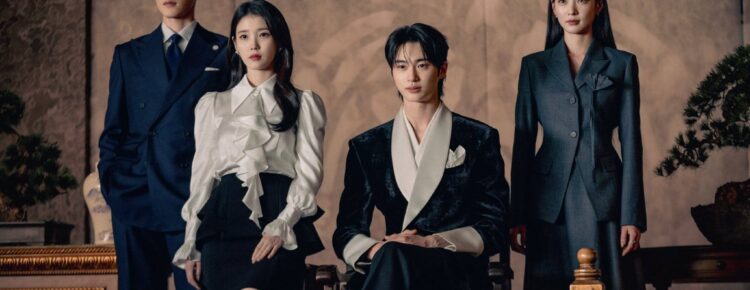
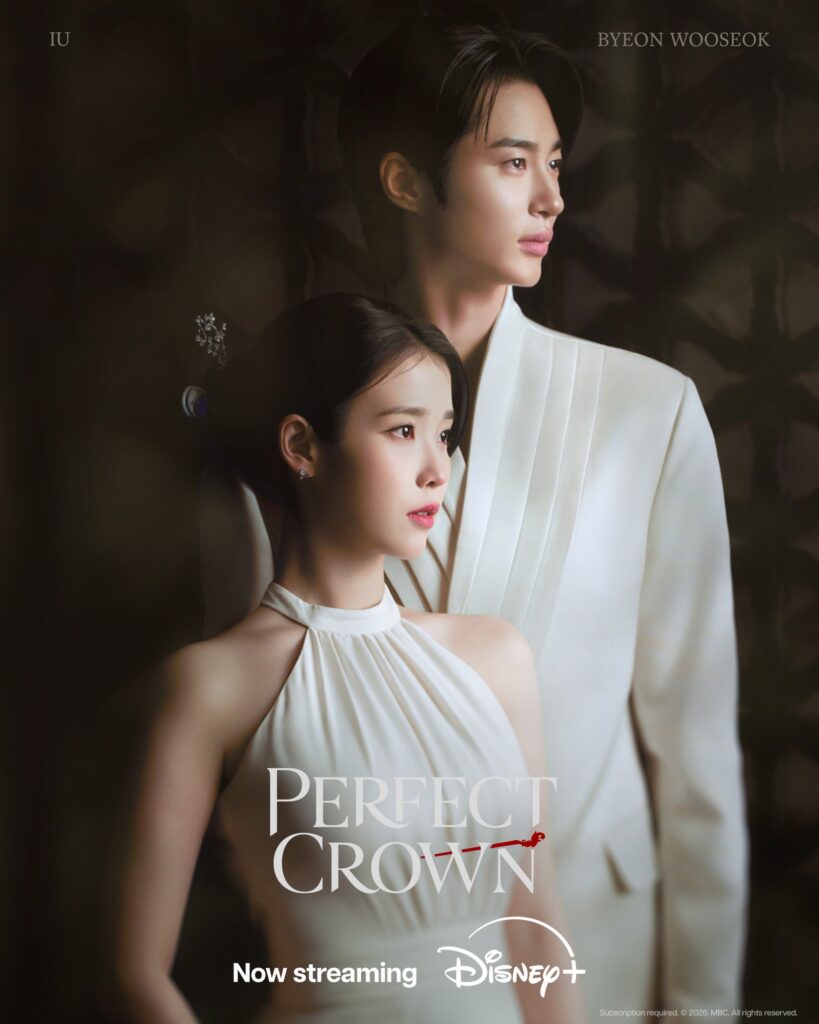
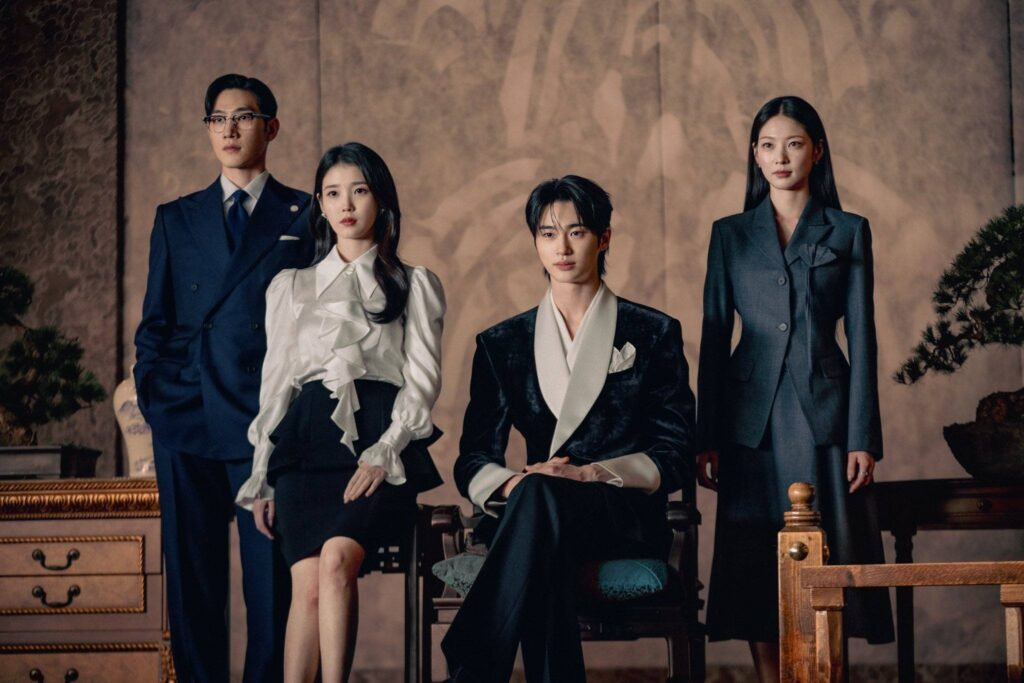
As a dedicated K-drama fan, I have been glued to my screen every week watching Perfect Crown. Let’s be honest: seeing IU (as the bold Seong Hui-ju) and Byeon Woo-seok (as Grand Prince I-an) bring their contract-marriage-to-royal-romance plot to life has been an absolute treat. Their chemistry is incredible, and Episode 11 delivered some of the most intense, emotional scenes yet—from Hui-ju running into a burning, exploding council hall to save a comatose I-an, to I-an ultimately ascending the throne.
But what should have been the show’s absolute peak has instead turned into a historic disaster. The massive backlash surrounding the coronation scene in Episode 11 is completely justified—and as someone who loves this show, I am incredibly frustrated.
The Controversy: What Went Wrong in Episode 11?
For those tracking the news, Perfect Crown is set in an alternate, 21st-century modern-day Korea that operates as a constitutional monarchy. While the premise is fictional, it is still fundamentally rooted in Korean identity and history. Yet, during Grand Prince I-an’s long-awaited coronation scene, the production team made critical errors that deeply offended viewers:
- The Royal Chant: Instead of shouting “Manse!” (meaning ten thousand years, a chant reserved for a fully sovereign, independent nation), the royal officials shouted “Cheonse!” (meaning a thousand years). Historically, Cheonse was a term forced upon vassal states subservient to an empire.
- The Crown Deficit: Byeon Woo-seok’s character was styled in a guryumyeonryugwan—a 9-tasseled ceremonial crown traditionally worn by subordinate rulers. Independent Korean emperors wore the shipimyeonryugwan, which features 12 strings of beads.
- The Tea Ceremony: To make matters worse, a tea ritual between the characters featured movements and aesthetics heavily associated with Chinese historical traditions rather than authentic Korean ones.
Together, these choices inadvertently portrayed a fictional modern Korean monarchy as entirely subordinate to a foreign power, sparking intense domestic outrage and drawing parallels to real-world political sensitivities.
My Take: Where Were the Researchers?
This brings me to my biggest question for the creators: Why on earth didn’t they have historical experts checking this data to make it authentic?
We are talking about the historical depiction of Korean royalty here. This isn’t a minor background detail; it is the literal core of the show’s world-building! When a production team spends 30 billion won (nearly $22 million USD) to build a grand television universe, they have an absolute obligation to protect the cultural integrity of the history they are playing with.
Why didn’t the production team, directors, and network heads have historians and critics thoroughly review the show before it aired? In this day and age, we have professional researchers for a reason. It is mind-boggling that errors this massive survived the writing room, the filming set, and the editing bay without a single person blowing the whistle.
Protecting the Actors: An Apology Won’t Fix It
Following the outrage, the production team issued a statement, and both lead actors posted deeply personal, handwritten apologies on Instagram. IU expressed that she felt “ashamed” for not studying the script more carefully, while Byeon Woo-seok shared his heavy heart for failing to realize the historical context of his wardrobe and dialogue.
Hearing IU and Byeon Woo-seok apologize breaks my heart because the actors are not at fault here.
Actor's Role: To interpret the script, deliver an emotional performance, and follow the director's vision.
Production's Role: To verify facts, hire consultants, review props, and guarantee historical accuracy.
The Bottom Line: Actors trust the massive machine behind them. It is the responsibility of the writers, producers, and directors to get the facts right.
A standard post-finale apology text cannot just wipe the slate clean. When you build a story or a movie around a nation’s history—even in an alternate universe—accuracy and respect are non-negotiable. This serves as a massive wake-up call to the K-drama industry: creative liberty is fine, but failing to hire proper researchers is completely unacceptable.
What did you think of Episode 11? Do you blame the production team, or do you think the backlash has gone too far? Let me know your thoughts in the comments below!